For centuries, the people of this northern corner of Nepal lived close to Tibet in language, faith and trade. You can still see it today. Prayer flags snap in the wind above flat-roofed houses, and old stupas stand at the edge of every village. Moving between these settlements feels less like sightseeing and more like stepping into someone’s daily life, which is exactly why so many travellers come back with stories rather than just photos.
A Kingdom That Stayed Intact
The region was once an independent kingdom, and the old royal line still has a presence in Lo Manthang. Because the area stayed closed for so long, much of its heritage escaped the changes that reached other mountain regions. If you want to see it properly, take time to explore the villages and monasteries of Upper Mustang on foot or by jeep with a local guide who can explain what you are looking at, because the history here is rarely written on any signboard.
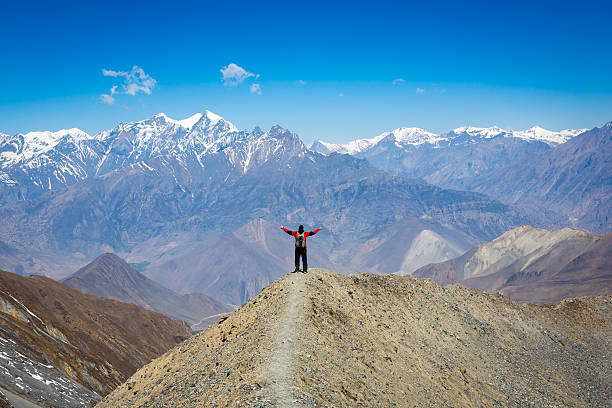
The first thing most visitors notice is the contrast. Red clay monasteries sit against pale yellow cliffs and a very blue sky. It is a simple combination, but it never gets old.
Places You Should Not Skip
Lo Manthang
The walled capital is the heart of the whole region. Inside the old walls you will find narrow lanes, white-washed homes, the former royal palace and several large monasteries, some of which still run schools for young monks. Give it at least two nights. Walking the walls at sunrise, before the day heats up, is quietly special.
Ghar Gompa, Also Known as Lo Gekar
This is believed to be one of the oldest monasteries in the Himalayas. Local tradition links it to Guru Rinpoche, and the carved stones and old wall paintings inside are worth the detour.
Chungsi Cave
Tucked into a steep canyon wall, this meditation cave is a place of real stillness. Pilgrims visit it for its spiritual importance, and the short walk there takes you through some striking terrain.
Small Courtesies That Go a Long Way
Follow Local Customs
Walk clockwise around mani walls, stupas and prayer wheels. It is a small gesture, but locals notice and appreciate it. Remove your shoes before entering a prayer hall, and keep your voice low inside.
Ask Before You Photograph
Many monasteries restrict photography indoors, and some charge a small fee. Always ask before pointing a camera at a monk, an elder or the inside of someone’s home. A smile and a nod usually settle it quickly.
Conclusion
The old villages and monasteries are the real reason to make this journey. Mountains are beautiful everywhere, but a living culture that has survived this long in such a harsh place is rare. Go with respect, move slowly and let the guides share what they know. You will leave with a deeper picture of Nepal than any brochure can give.