Cold winter drafts coming down old chimneys ruin living room comfort while driving utility expenses through the roof. Unsealed brick hearths work like open windows when fires are not burning, sucking warm room air out while letting freezing outdoor air settle onto your floors. Fixing that hidden draft issue is key to running a comfortable, affordable home.
Current home warming upgrades focus heavily on sealed combustion designs. Sealing off airflow keeps heated room air inside your living areas where your family needs it. By managing air intake and exhaust flows precisely, you change wasteful open flames into high output heat sources.
Why Every Drafty House Needs a Fireplace Insert
Sealing off drafty masonry openings is the single most effective move for stopping winter heat loss. Installing a high efficiency Fireplace Insert turns a drafty brick opening into a sealed, hard working heater. The thick steel body captures intense heat and radiates it steadily out into your room.
Internal blower fans draw cool floor air, pull it around the hot outer metal walls, and push warm air back across your sitting area. That active air circulation warms rooms fast without burning extra wood. You stop cold room drafts completely while giving your wall a clean finish that complements surrounding decor.
Primary Benefits of Closed Hearth Conversion
- Total elimination of cold chimney downdrafts when idle.
- Big drops in annual home heating expenses through smart zone heat.
- Simple air intake levers for easy fire control.
- Clean room operation that stops ash dust from blowing into living spaces.
Combining Rustic Style with a Wood Burning Stove
For homes without existing brick chimneys, setting up a standalone solid fuel heater offers a versatile path to authentic log warmth. These freestanding units make a strong visual statement inside rustic cabins, classic farmhouses, or modern suburban living rooms. Setting a log heater onto a stone hearth pad builds a cozy sitting spot fast.
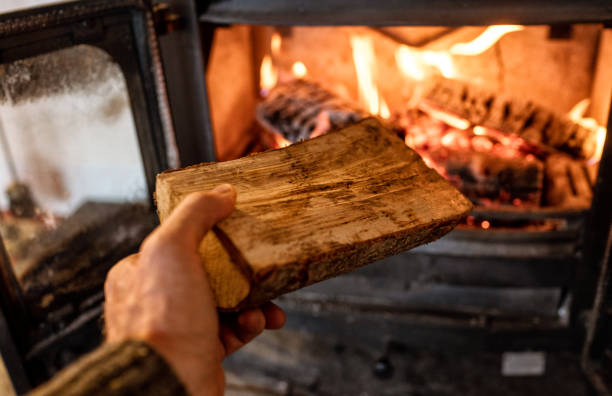
Adding a heavy steel Wood Burning Stove puts you in control of your winter fuel choices. Burning properly dry hardwoods forms deep ember beds that keep your living space warm right through cold nights. Modern combustion engineering ensures clean burns, meaning you burn fewer logs to keep house rooms warm.
Essential Tips for Fuel Management and Operation
- Burn seasoned wood with low moisture content for maximum heat.
- Store stacked firewood off damp ground under protective covers.
- Keep air controls wide open during startup to build fast chimney draft.
- Clean out bottom ash trays regularly to maintain proper under fire airflow.
Building an Inviting Outdoor Entertainment Zone
Connecting interior comfort with outdoor entertaining areas is a sign of smart design. Placing clean burning propane fire tables or barbecue stations turns your back deck into a functional outdoor lounge. Comfortable outdoor seating sets arrange easily around warm fire features, inviting guests to stay longer.
Sturdy outdoor warmers use rust resistant stainless steel parts that handle bad weather easily. Matching reliable heat sources with weather safe chairs ensures your patio stays usable through spring, summer, and autumn. Spending clear nights around a warm flame creates wonderful family memories.
Conclusion
Upgrading your indoor heating plan stops draft leaks while bringing incredible physical warmth into your home. Updating old brick openings or installing standalone log heaters lets you manage winter energy costs easily. Put efficiency first to ensure your home stays warm and affordable all winter long.